
The Importance of a Forex Trading Journal 1922050735
The Importance of a Forex Trading Journal
A Forex trading journal serves as a powerful tool for traders. It provides a structured way to track performance, analyze trades, and improve overall trading strategies. Maintaining a journal can be the difference between consistent profits and repeated losses. For those using platforms like forex trading journal MetaTrader5 Trading, documenting trades becomes essential to mastering the market.
What is a Forex Trading Journal?
A Forex trading journal is a record of all your trades, including entries, exits, strategies used, and outcomes. This documentation can be done in digital formats or on paper, depending on personal preferences. The key element is consistency – regular updates and thorough entries.
Benefits of Keeping a Forex Trading Journal
There are multiple benefits that come with maintaining a Forex trading journal:
- Reflecting on Performance: By documenting your trades, you can look back and see which strategies worked and which did not. This reflection allows you to improve over time.
- Identifying Emotions: Trading can evoke strong emotions that impact your decision-making. A journal helps you track these feelings and their influence on your trades.
- Creating a Record: Over time, your journal becomes a valuable repository of your trading history, enabling you to analyze your progression.
- Developing Discipline: Keeping a journal promotes a disciplined approach to trading. It encourages you to think critically about each trade.
What to Include in Your Forex Trading Journal
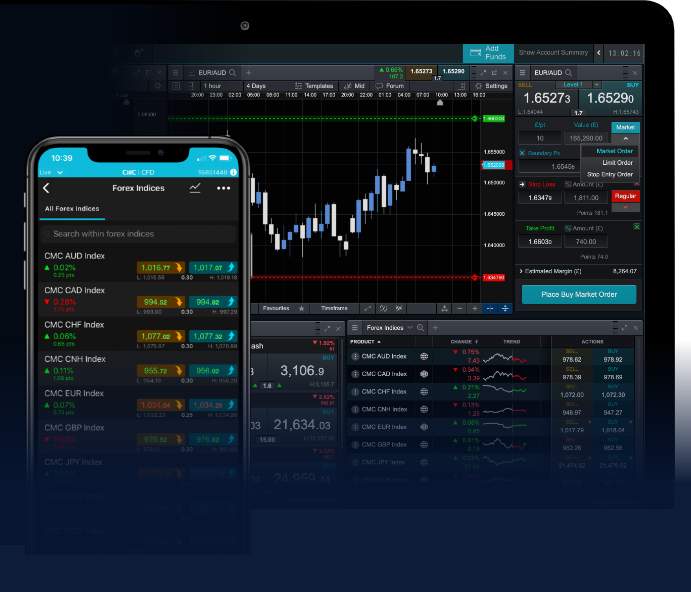
For your journal to be effective, it should include specific elements:
- Date and Time: Always record when you entered and exited a trade. This helps in analyzing market conditions during those times.
- Currency Pair: Note the specific currency pairs traded, as performance can vary significantly between pairs.
- Position Size: Document how much you invested in each trade, which helps in risk management analyses.
- Trade Direction: Indicate whether it was a buy or sell position. This information is crucial for performance tracking.
- Entry and Exit Prices: Record the prices at which trades were executed. This data is vital for future reference.
- Stop Loss and Take Profit Levels: Always note where you set your stop losses and take profits, as it reveals your risk management practices.
- Market Conditions: Capture the prevailing market conditions, including news events that may have influenced your decision-making.
- Trade Rationale: Write down why you entered the trade, the strategies you employed, and any indicators you used.
- Outcome: Summarize the results of each trade to categorize them as winners or losers. This makes performance evaluation easier.
How to Analyze Your Forex Trading Journal
Analysis is crucial for improvement. Here’s how you can effectively analyze your Forex trading journal:
- Review Regularly: Set aside time each week or month to review your trades. Examine win rates, losses, and the strategies that led to successful outcomes.
- Identify Patterns: Look for recurring patterns in your trades, both positive and negative. Maybe you consistently lose on a specific currency pair or during particular market conditions.
- Adjust Strategies: Based on your analysis, be open to adjusting your trading strategies. Continuous evolution is key in Forex trading.
- Emotional Reflection: Evaluate how emotions played a role in each trading decision. Acknowledging triggers can help in managing emotional responses in the future.
Tips for Keeping a Successful Forex Trading Journal
Here are some tips to enhance your journaling efforts:
- Be Consistent: Make journal entries a daily task. The habit will cultivate discipline and lead to more accurate analysis.
- Be Honest: Record both successful and unsuccessful trades. Being candid about your mistakes is crucial for learning and growth.
- Use Technology: Consider digital tools and applications for easier tracking and analyzing of trades. Many Forex trading platforms offer built-in journaling features.
- Incorporate Visuals: Use charts and graphs to visualize your performance over time; visual data can reveal trends that are easily overlooked in tables.
Conclusion
In the competitive landscape of Forex trading, maintaining a well-structured journal can elevate your trading skills significantly. From fostering discipline to providing insights that inform strategy adjustments, a trading journal serves as a vital asset on your trading journey. By investing time and effort into this practice, you are not just keeping a record; you are actively participating in your growth as a trader.
